Surah Saba: Gratitude, Power of Allah, and Lessons from the Past
Surah Saba: A Comprehensive Overview
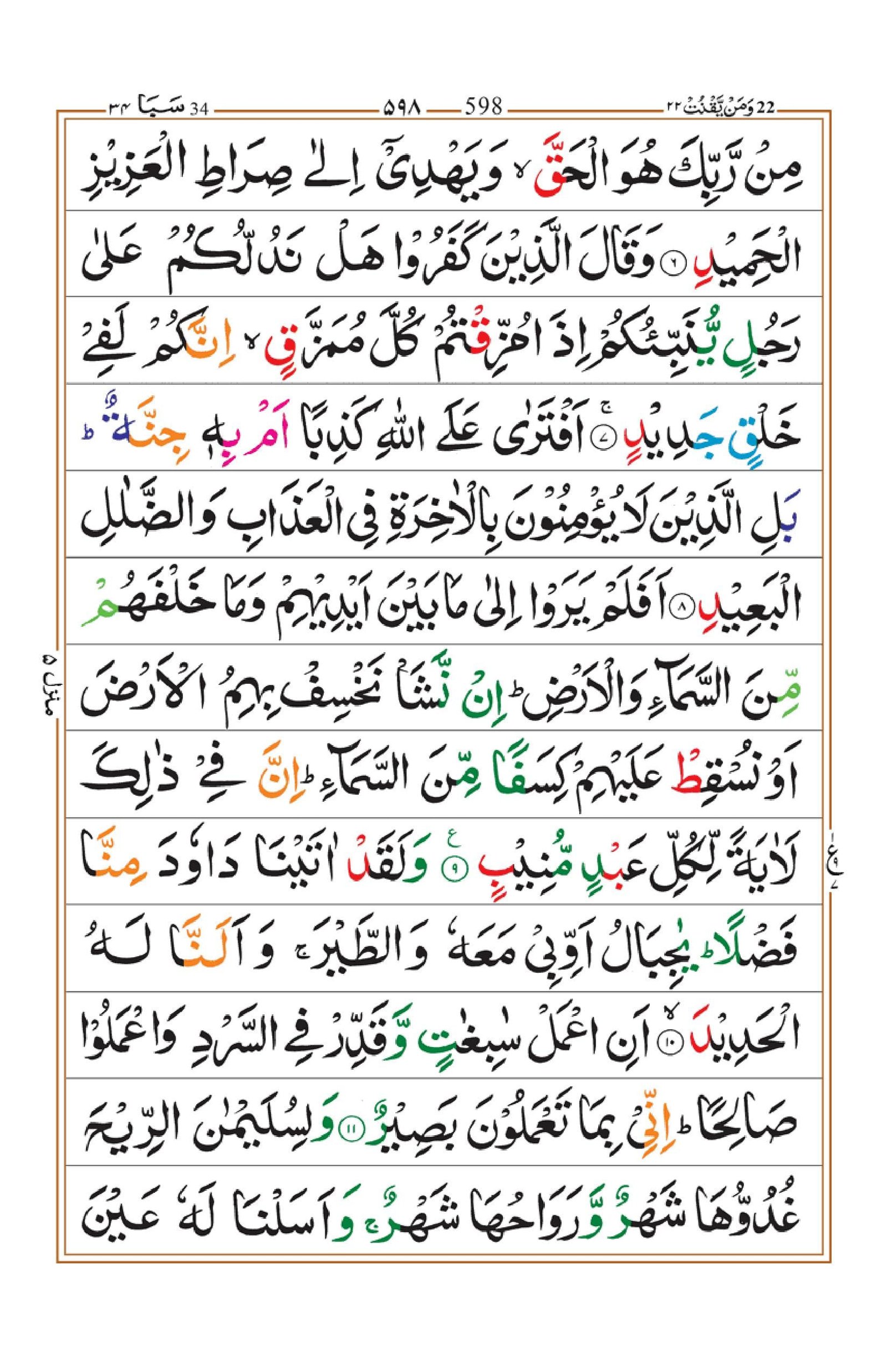
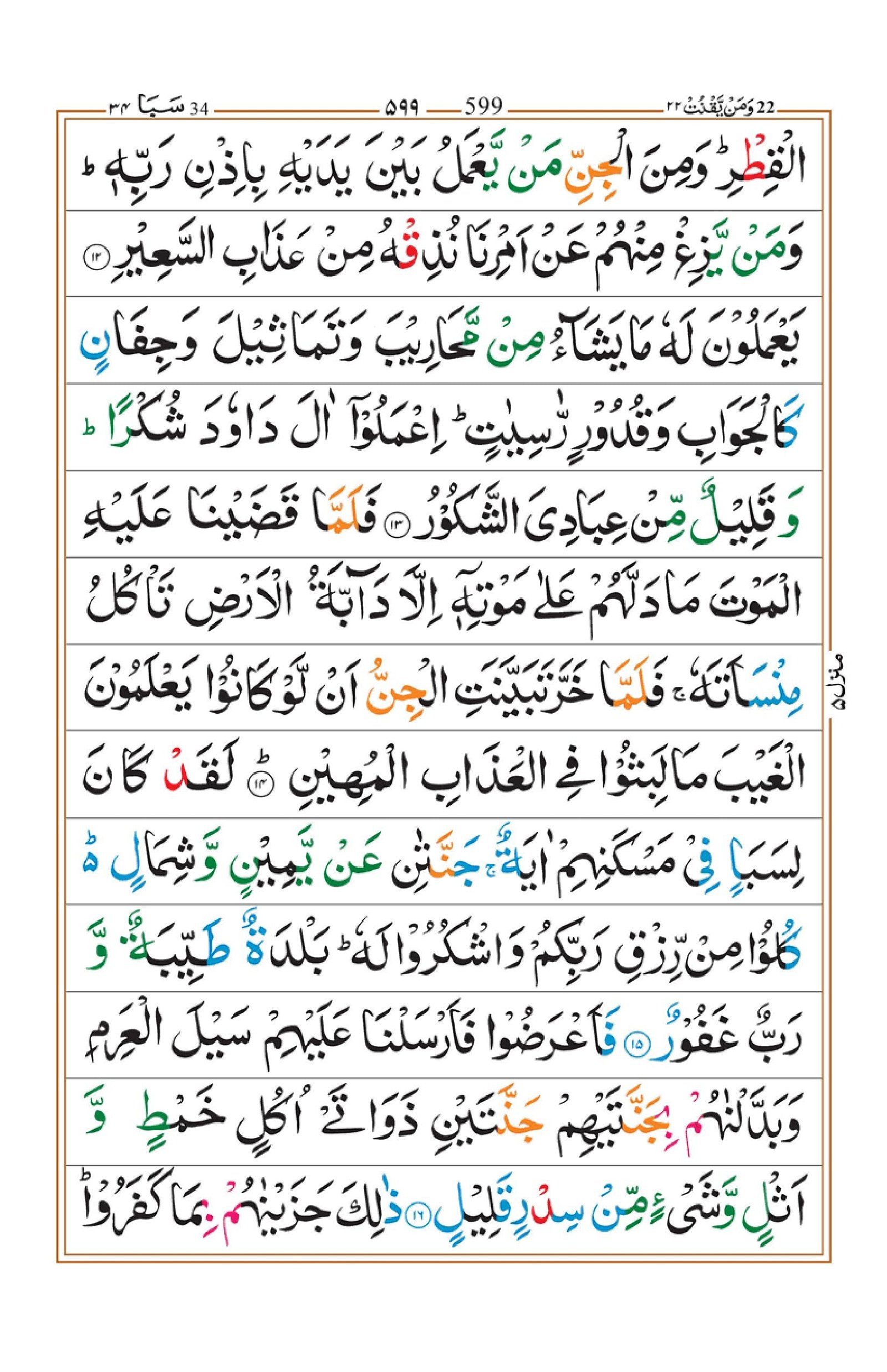
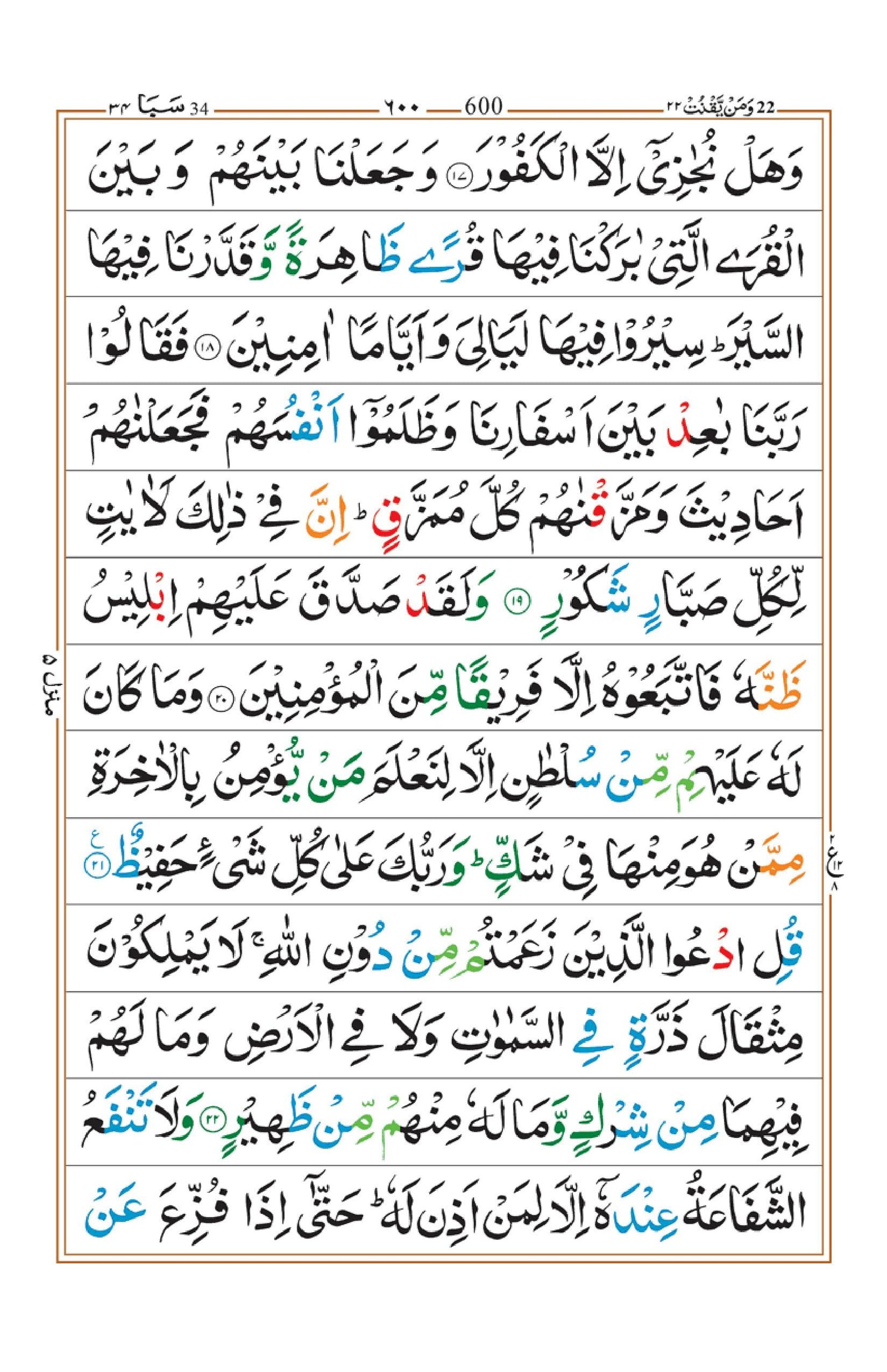
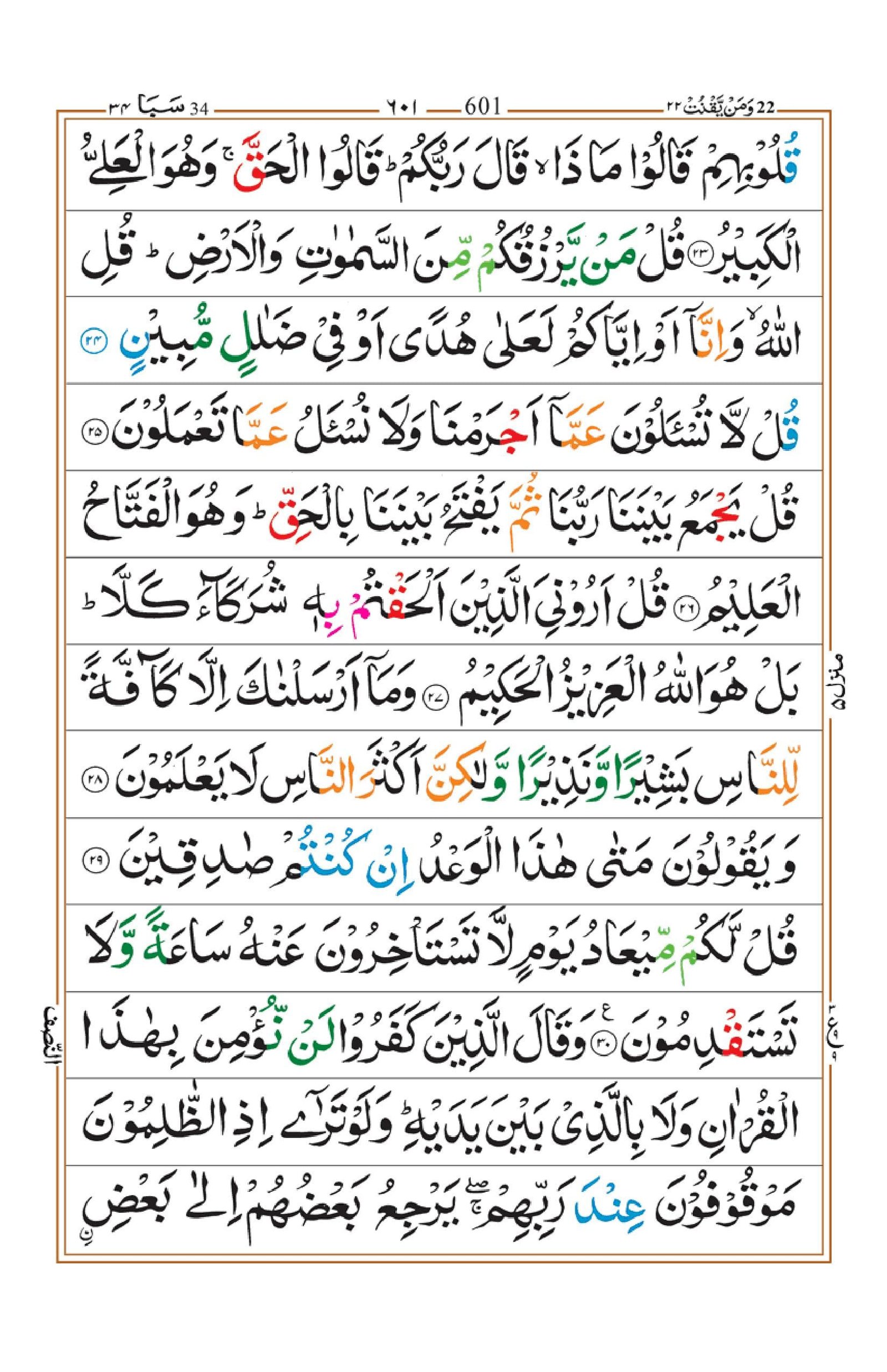
Surah Saba is the 34th chapter of the Holy Quran, named after the ancient people of Saba (Sheba), who are mentioned in the Surah for their gratitude and eventual downfall. This Surah was revealed in Mecca and consists of 54 verses, divided into 6 rukus. It is located in Juz’ 22.
The Surah begins by praising the greatness of Allah, who holds all power over the heavens and the earth. It emphasizes gratitude for Allah’s blessings, highlighting the importance of recognizing His favors and using them wisely. The Surah recounts the stories of the people of Saba, who once enjoyed prosperity and peace but were ultimately destroyed due to their arrogance and ingratitude.
Through these stories, Surah Saba teaches humility, the dangers of pride, and the necessity of thanking Allah for His countless blessings. It also draws attention to the power of Allah over creation and the consequences of turning away from His guidance.
Key Themes of Surah Saba
| Theme | Explanation |
|---|---|
| Gratitude to Allah | The Surah stresses the importance of thanking Allah for His blessings, which are numerous and uncountable. |
| The Power of Allah | Emphasizes Allah’s supreme control over the universe and His ability to grant or take away blessings. |
| Stories of the People of Saba | The rise and fall of the people of Saba serve as a warning to those who are ungrateful for Allah’s favors. |
| Consequences of Arrogance | Warns against pride, arrogance, and ingratitude, illustrating how these led to the downfall of nations. |
| Humility and Submission | Encourages believers to be humble, acknowledge Allah’s blessings, and submit to His will. |
Benefits of Surah Saba
Reciting Surah Saba offers many spiritual benefits for the believer:
- Reminder of Gratitude: The Surah encourages believers to reflect on their blessings and be grateful to Allah for His countless gifts.
- Humility: By studying the rise and fall of the people of Saba, believers are reminded to maintain humility and avoid the arrogance that can lead to destruction.
- Strengthening Faith: Surah Saba increases the believer’s trust in Allah’s power and sovereignty, strengthening their faith and submission to His will.
- Guidance for the Humble: The Surah serves as a reminder to remain humble in the face of prosperity and to recognize that all blessings come from Allah.
Surah Saba: Structure and Key Features
| Surah Details | Count |
|---|---|
| Number of Verses | 54 |
| Number of Words | 995 |
| Number of Letters | 3542 |
| Number of Rukus | 6 |
Tajweed Rules for Surah Saba
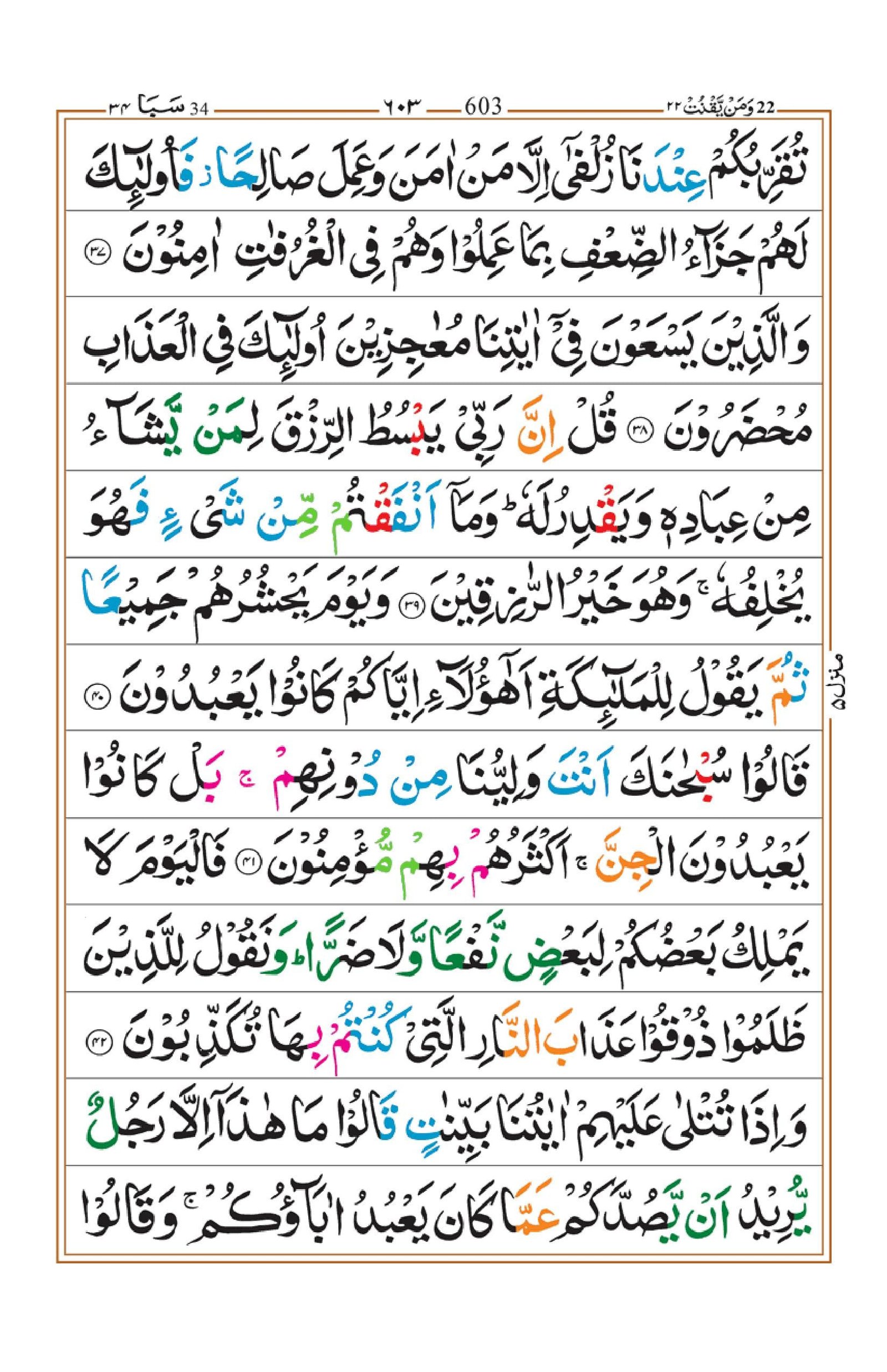
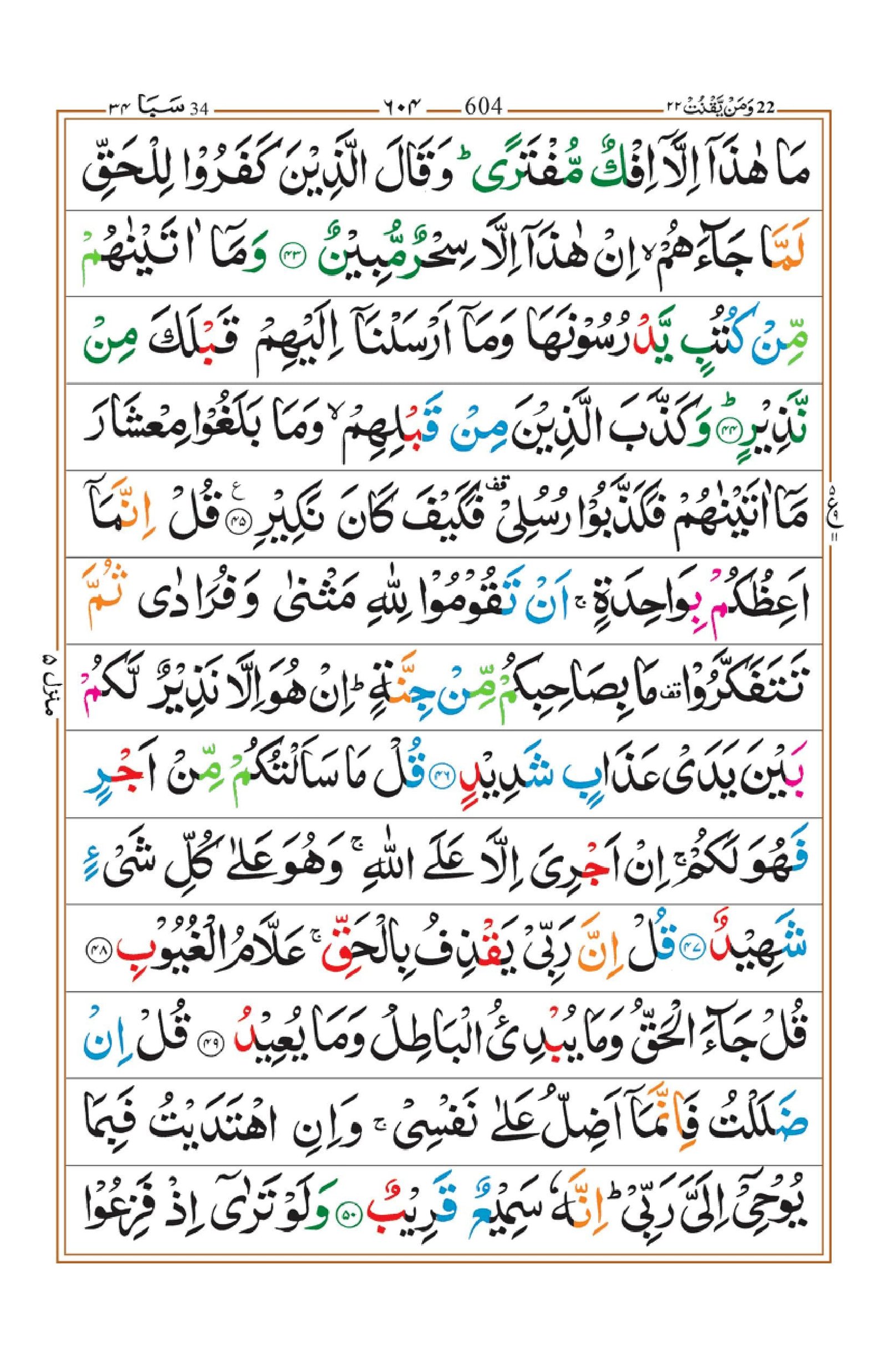
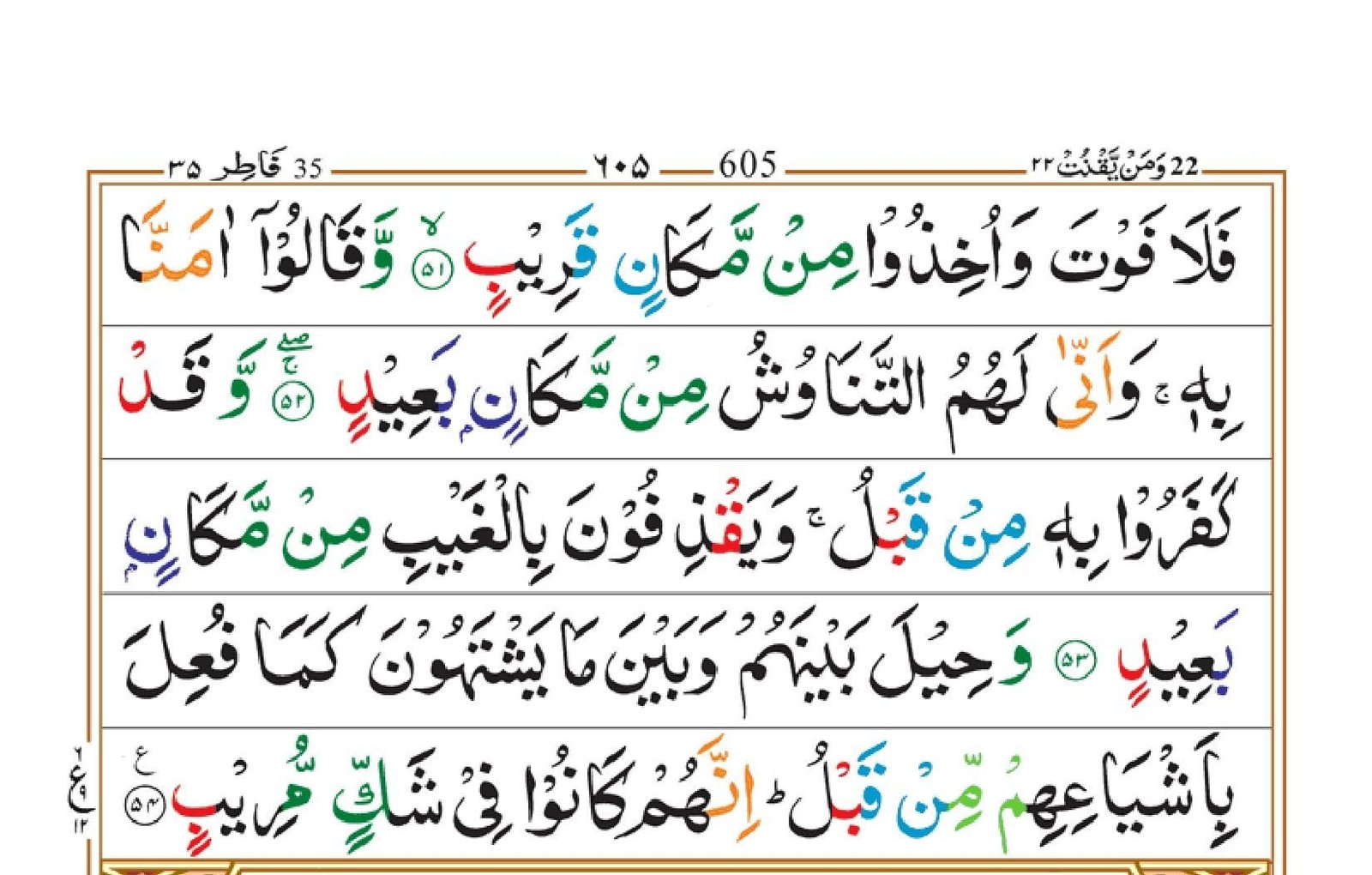
When reciting Surah Saba, it is essential to follow the Tajweed rules for correct pronunciation. Below are the key Tajweed rules for this Surah:
- Ikhfa (blue): This occurs when a Noon Saakin or Tanween is followed by specific letters, producing a nasal sound during pronunciation.
- Ghunna (orange): The nasal sound made when Noon or Meem is followed by specific letters.
- Idghaam (green): When two letters merge together in pronunciation.
- Qalqala (red): Producing an echo sound when certain letters are in the middle of words.
- Qalb (purple): When Meem Saakin is followed by Baa, the pronunciation is adjusted.
- Idghaam Meem Saakin (light green): This rule applies when a Meem Saakin is followed by another Meem, merging the two sounds.
By adhering to these Tajweed rules, one ensures a proper and beautiful recitation of Surah Saba.


Conclusion
Surah Saba offers timeless lessons on gratitude, humility, and the power of Allah. Through the story of the people of Saba, the Surah teaches the dangers of pride and ingratitude while reminding believers to remain humble and thankful for Allah’s blessings. Reciting this Surah regularly fosters a deeper connection with Allah and helps believers maintain a spirit of gratitude and submission in all aspects of their lives.
For more guidance on the Tajweed rules for Surah Saba, you can download the attached PDF.